
All G-Wagon Generations and Their Differences
The Mercedes Geländewagen is unusual in that it has changed significantly over time without ever abandoning its original format. Since its introduction in 1979, the G-Wagon has remained a body-on-frame, locking-differential 4x4 with utilitarian proportions and a deliberately functional design. What changed from generation to generation was not the core idea, but how Mercedes applied it to different audiences. The earliest trucks were built as practical tools, later models became more refined, and today the G-Class exists as both a luxury vehicle and a point of reference for serious off-road capability.
Understanding the differences between the generations helps explain why the G-Class has remained relevant for so long. The earliest trucks established the platform, the middle generations expanded its use, and the newer ones modernized the experience without discarding the visual and mechanical traits that made the model distinctive. For anyone researching an old G-Wagon, comparing a 1990s G-Wagon to a current truck, or trying to understand where the vintage models fit into the broader story, this generation breakdown is the right place to start.
W460: The Original G-Wagon
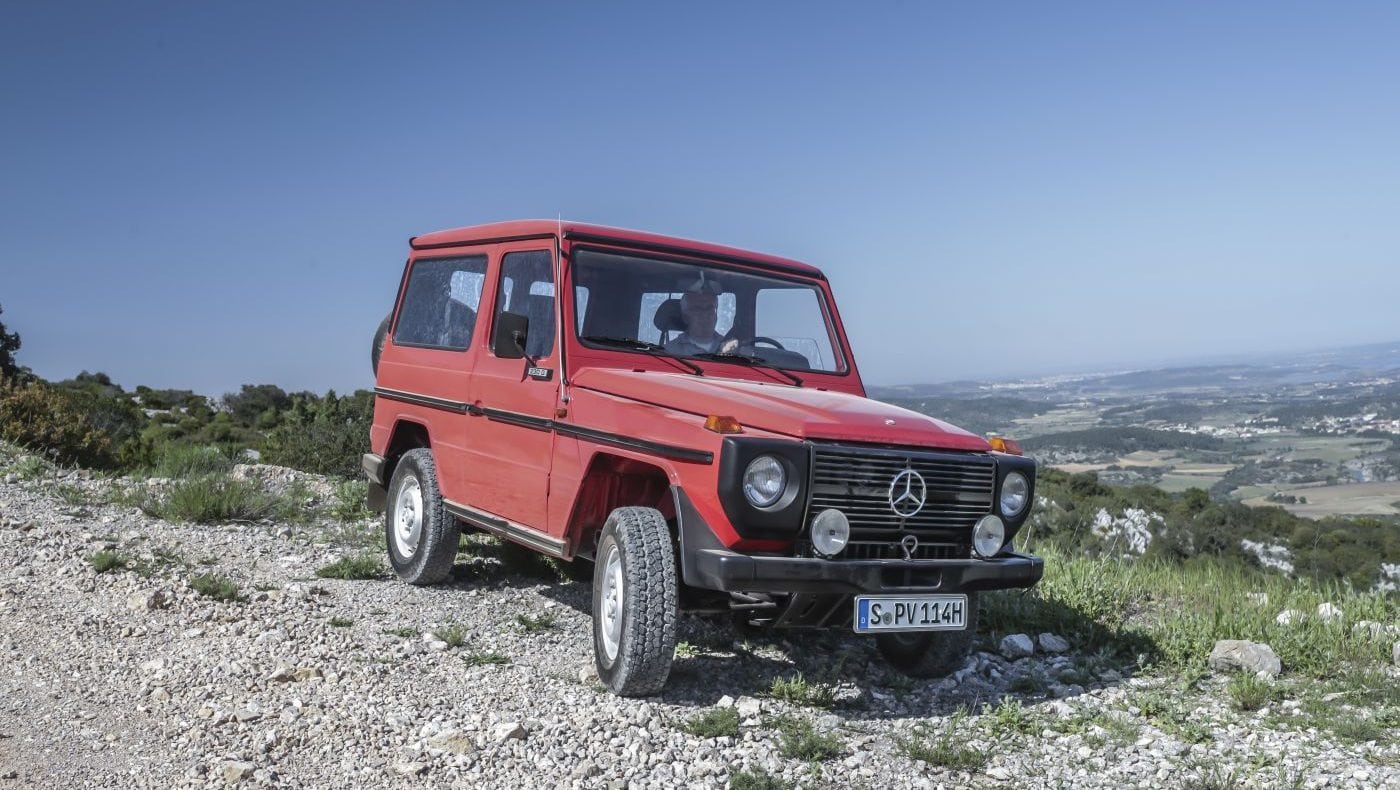
Photo Credit: Classic Trader
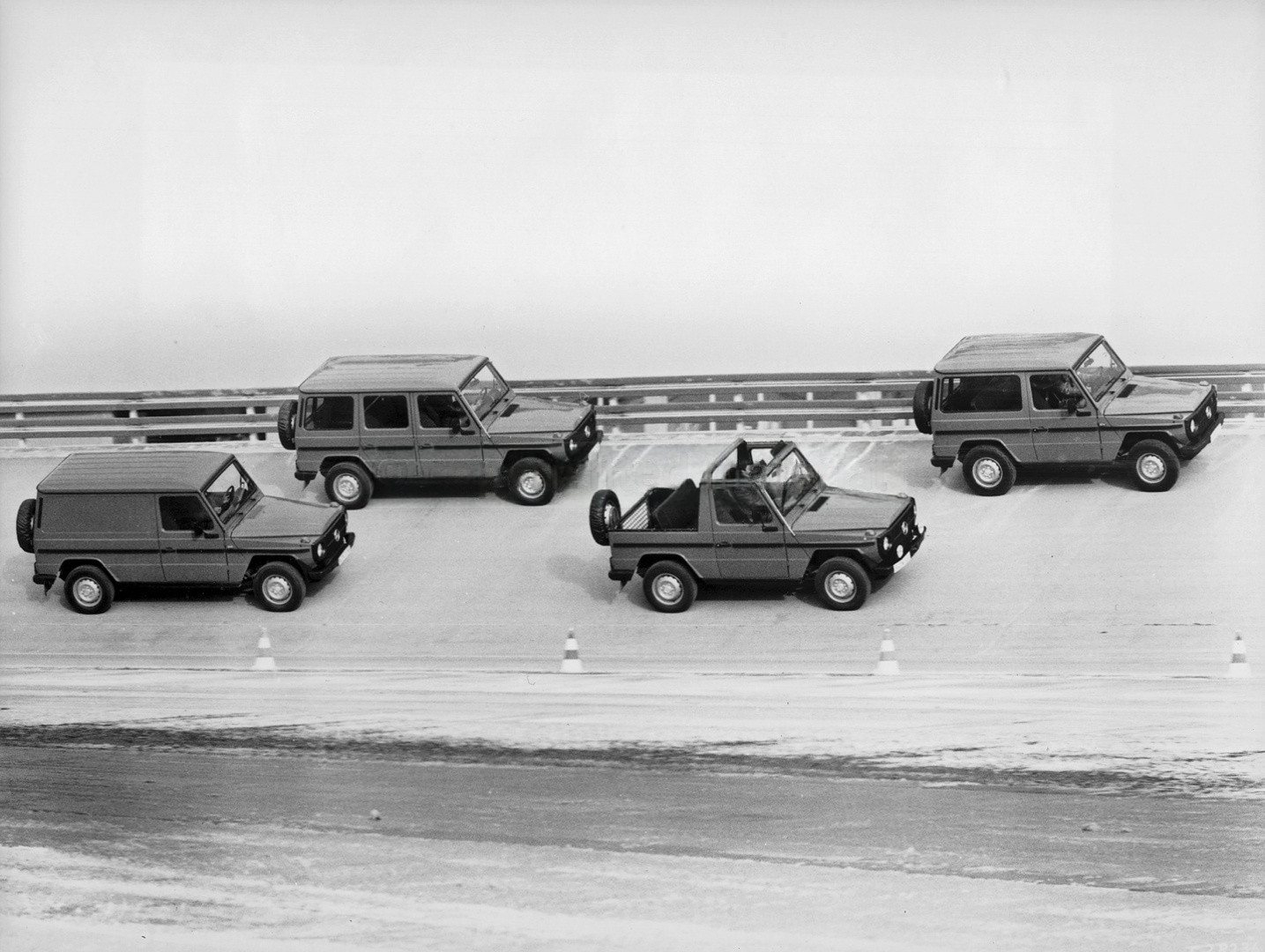
The W460 is the first production generation of the G-Wagon, introduced in 1979 and built through 1991. It was developed as a true utility vehicle, with multiple body styles, minimal electronics, a ladder frame, solid axles, and drivetrain hardware intended to function reliably in difficult terrain and severe climates. In civilian form, it was available as a short wheelbase 2-door, long wheelbase 2-door, long wheelbase 4-door, chassis cab, and Mercedes-Benz G-Class cabriolet, which helped establish the visual language that still defines the model today. The W460 is known for setting the template, not just aesthetically, but mechanically. It established the proportions, exposed hardware, and the practical, field-serviceable nature that made the G-Wagon different from other 4x4s of its era.
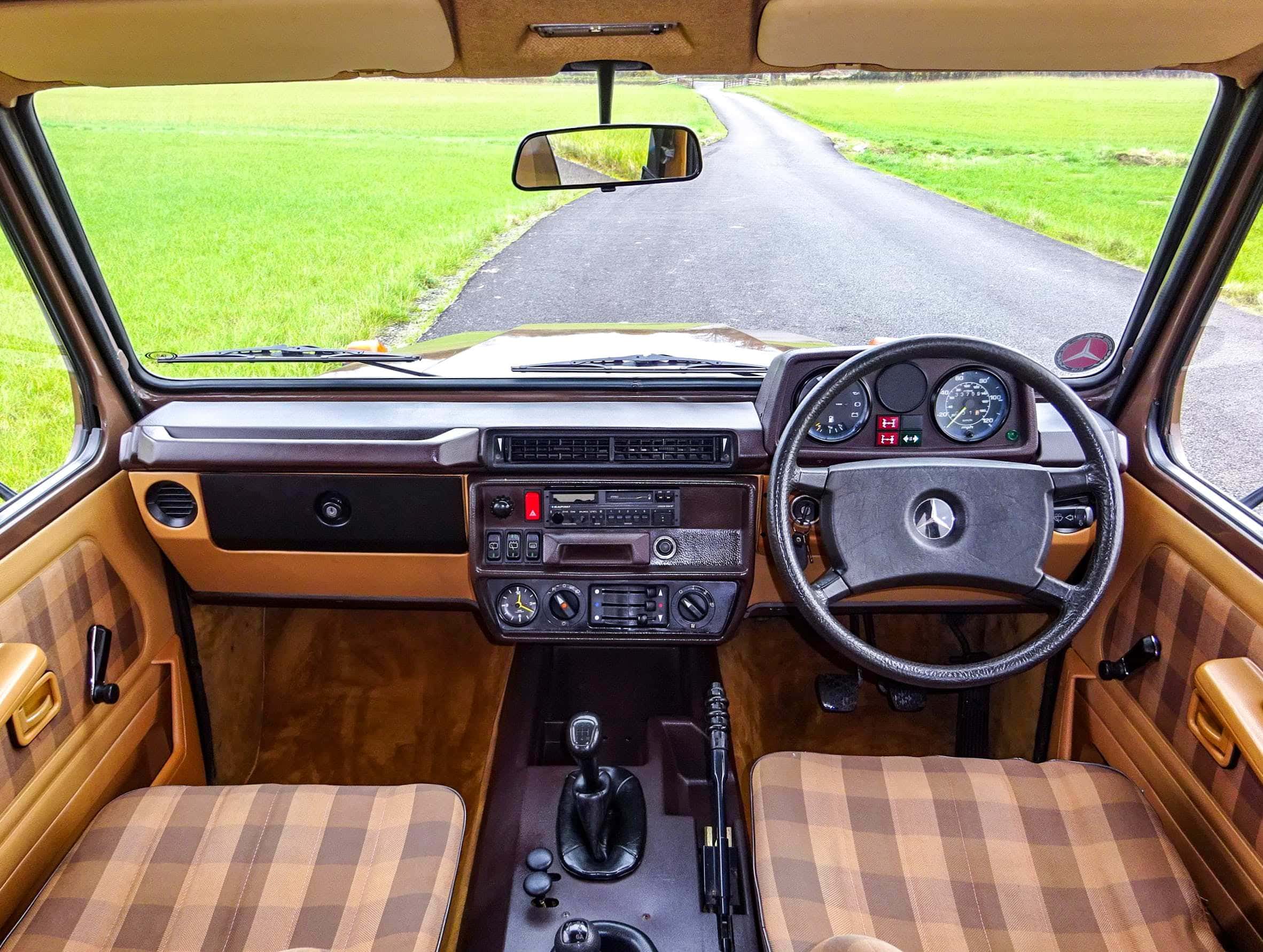
Notable W460 models included the 230G, 240GD, 280GE, and 300GD. Depending on market and application, these trucks were offered with a range of naturally aspirated gasoline and diesel engines, paired mostly to manual transmissions and dual-range transfer cases. What the W460 lacked in speed, it made up for in mechanical honesty and operational simplicity. This is the generation most people are referring to when they talk about the earliest G-Wagon military roots, even if many civilian buyers now know it more through restorations and collector interest than through original service use.
W461: The Duty-Focused Successor
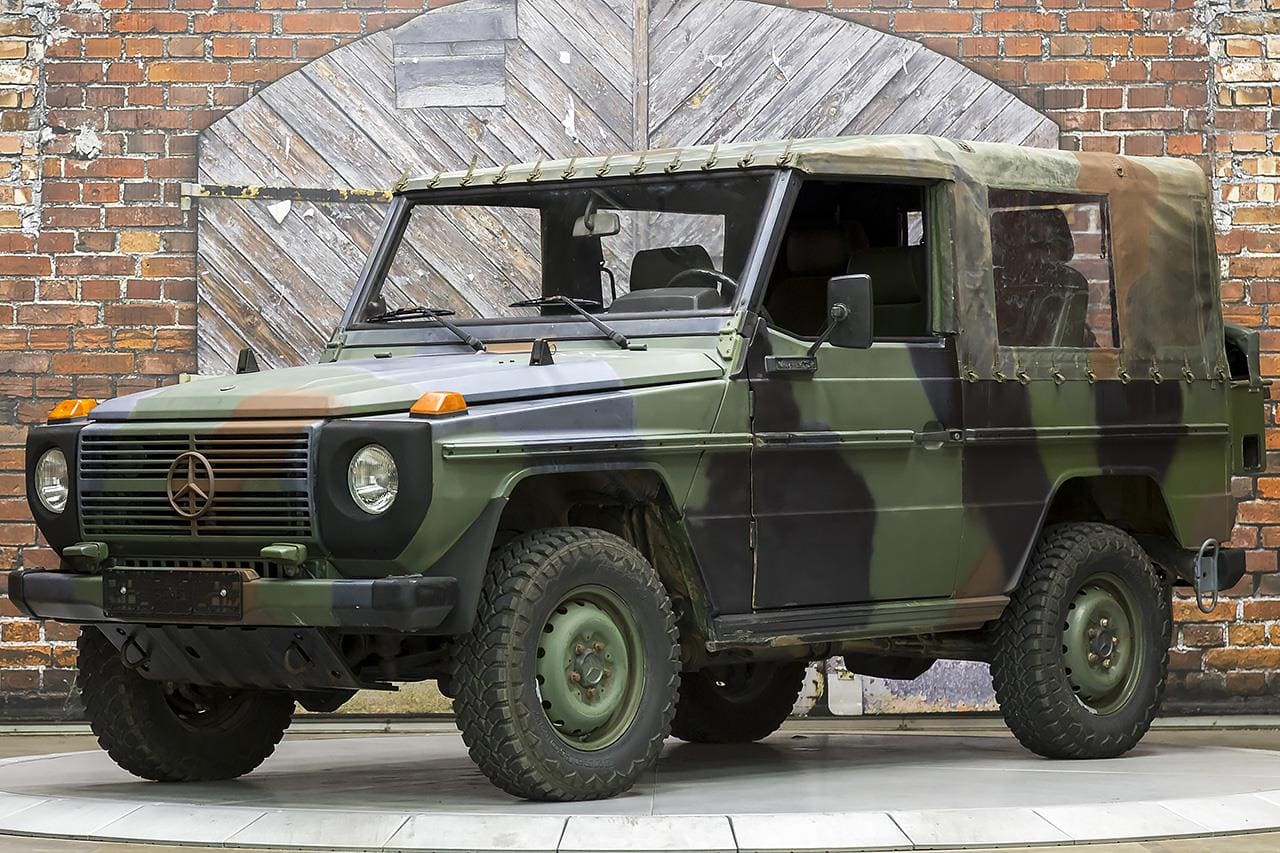
Photo Credit: Exotic Cars of Houston
The W461 was the utilitarian evolution of the original idea. It was introduced as Mercedes expanded the G-Class into two parallel directions, one more luxury-oriented and one more work-focused. The W461 carried forward much of the W460’s body and structural logic, but it was aimed more directly at military, governmental, and emergency-service applications.
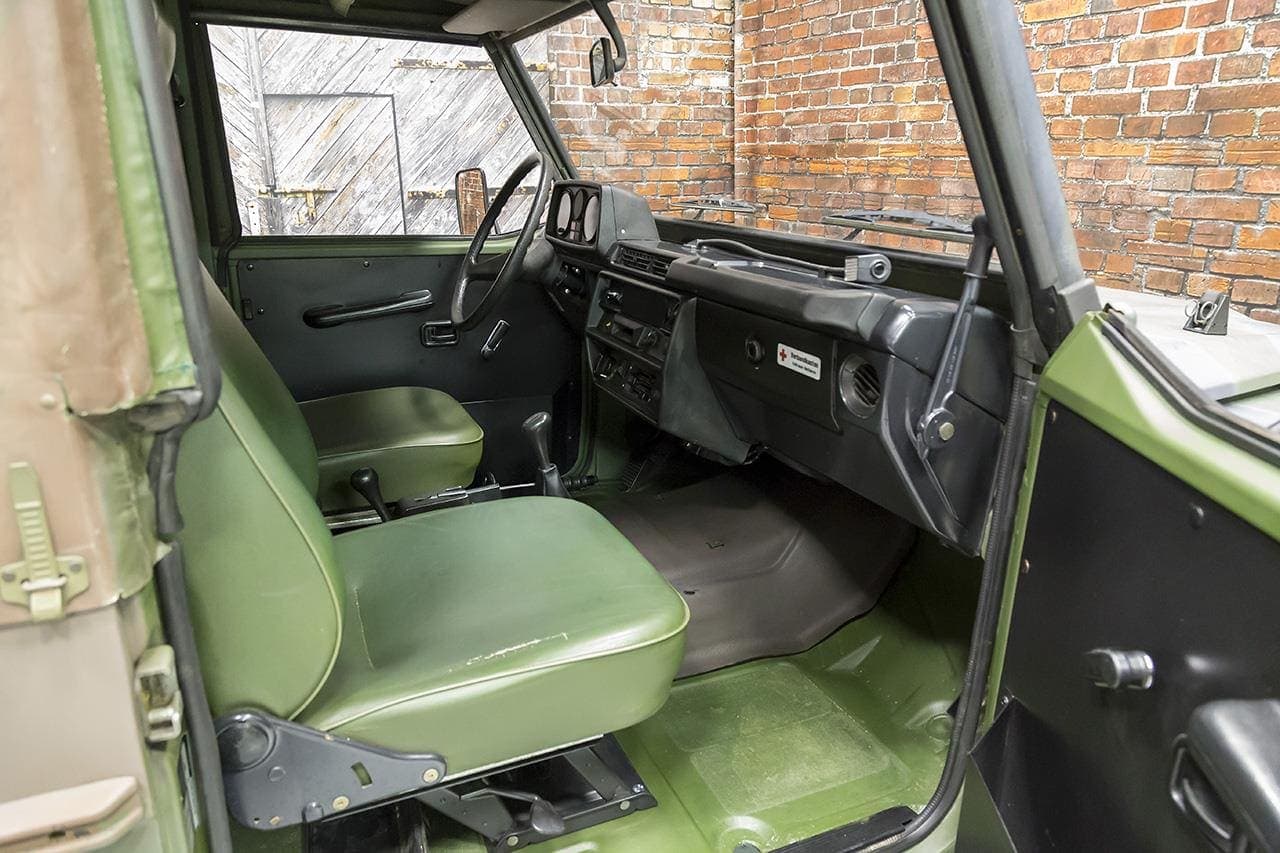
This generation is best known for models such as the 250GD Wolf, 240GD, and 230GE. The 250GD in particular became significant because of its use by the German Bundeswehr, which gave rise to the “Wolf” nickname enthusiasts now know so well. Compared with the W460, the W461 is less about being the first and more about being the long-term operational platform. It is known for being able to perform in the world's harshest conditions, only equipped with the features necessary to aid soldiers or emergency service personnel.
W463: The Shift Toward Luxury
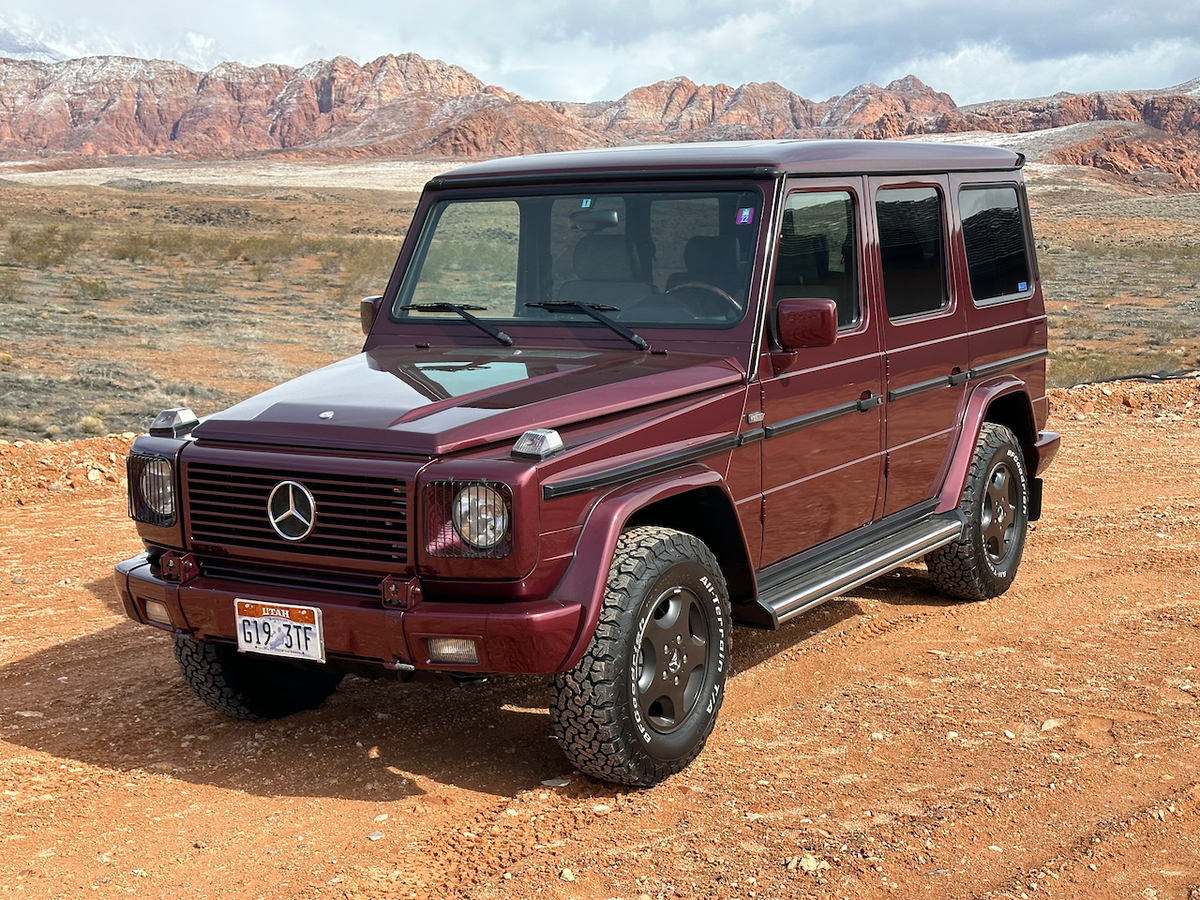
Photo Credit: Classic.com
The W463 arrived around 1990 and marked the point where the G-Class began to move decisively into the luxury category. Mercedes did not abandon the platform’s off-road capability, but it clearly changed the intended customer experience. Compared with the W460, the W463 introduced more comfort, more electronics, more upscale interior materials, and a broader focus on civilian use. It was this generation that transformed the G from a primarily utilitarian vehicle into a dual-purpose product, one that could still function as a serious off-roader while also serving as a premium road vehicle.
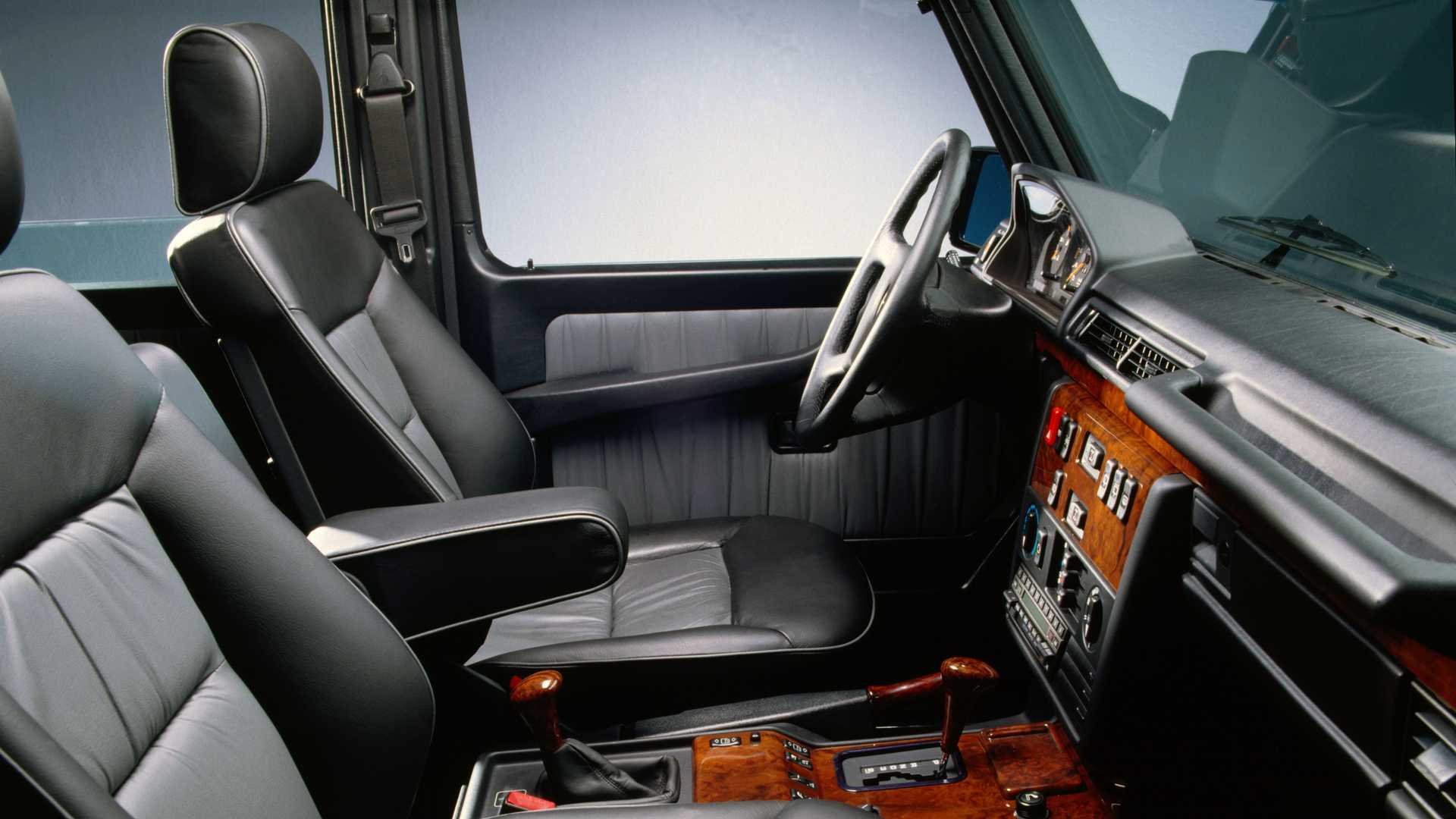
Photo Credit: Motor1
The W463 is associated with a broad and important model range, including the 300GE, G500, G55 AMG, G63 AMG, G65 AMG, and later specialty variants such as the G500 4×4² and 6×6 derivatives. It also expanded the diesel offerings that are now central to many restoration and enthusiast conversations, including the OM606-powered G300 Turbodiesel. More than any earlier generation, the W463 established the G-Class as a global luxury vehicle while still retaining the mechanical format that defined the original G-Class. It also greatly widened the available interior and exterior palette, opening the door to the sort of highly individualized g class custom builds that followed.
W463a: The Major Redesign
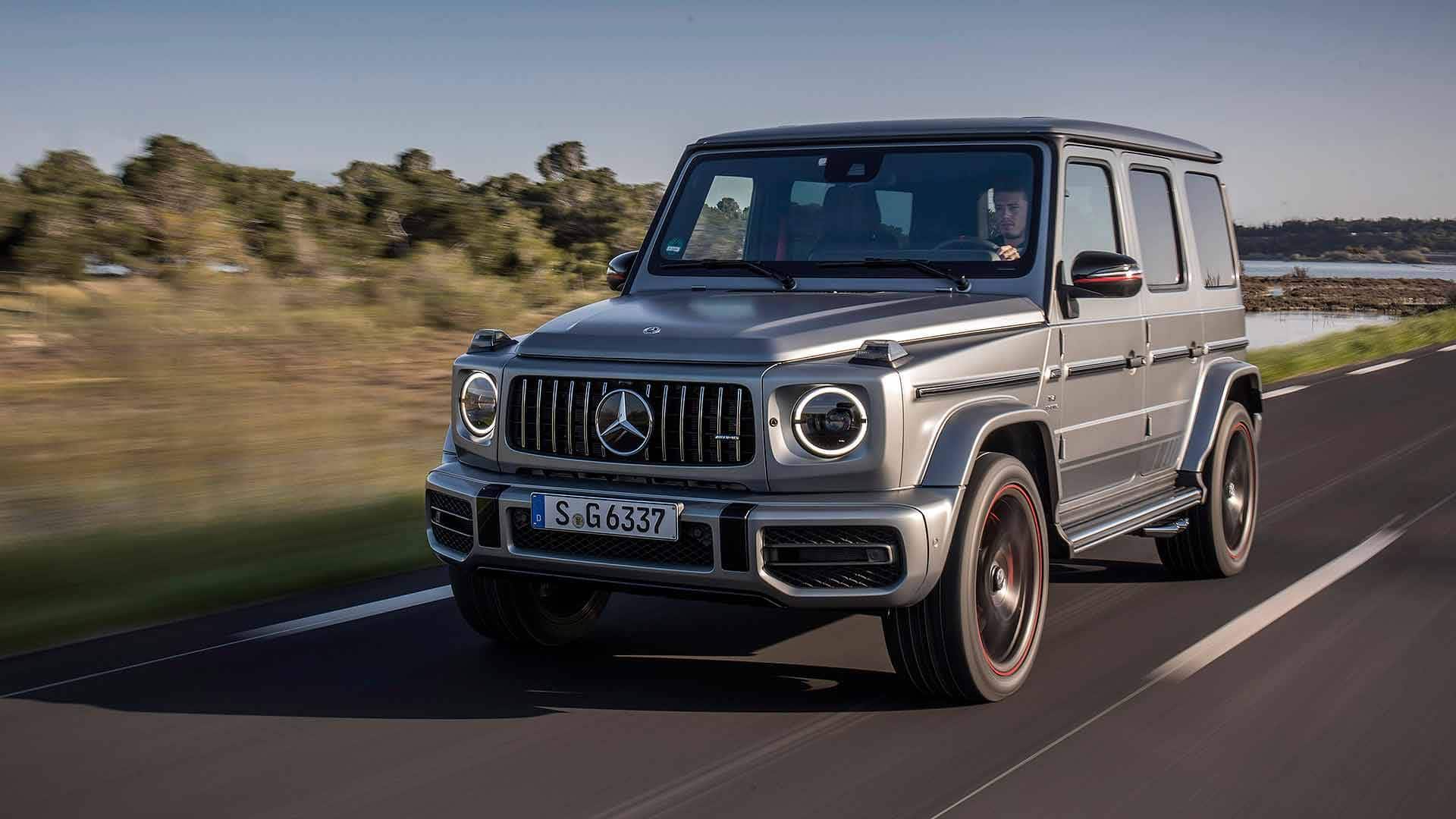
Photo Credit: Motor1
The W463a, introduced for the 2018 model year, represented a significant redesign in the G-Class’s history while still preserving the visual identity of the vehicle. Mercedes retained the recognizable silhouette, but the truck was substantially reworked underneath. The body became wider, the steering and suspension were modernized, the cabin moved fully into contemporary luxury territory, and the safety and driver-assistance systems were brought up to current standards. Even with those changes, the essential formula remained intact: ladder-frame construction, locking differentials, and the unmistakable boxy body that still reads immediately as a G.
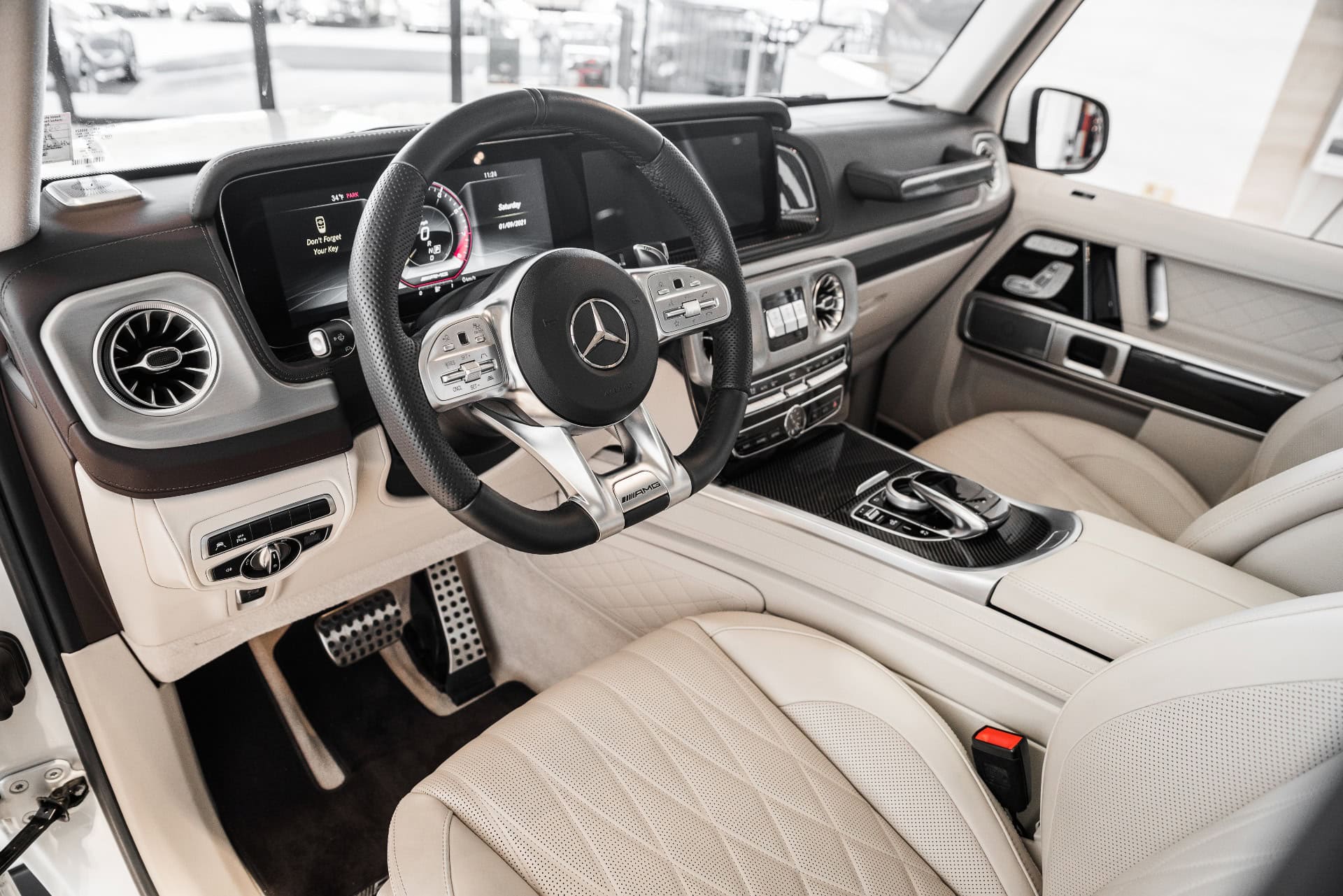
Photo Credit: Cars.com
This generation is most closely associated with the G550 and AMG G63 in their modern form. What makes the W463a important is that it proved Mercedes could modernize the G-Class extensively without losing its identity. It is quieter and more technologically advanced than anything that came before it, yet it still feels directly related to the earlier trucks. That continuity is unusual in the automotive world, and it is one of the main reasons the G-Class continues to attract interest from people.
W465: The Current Generation
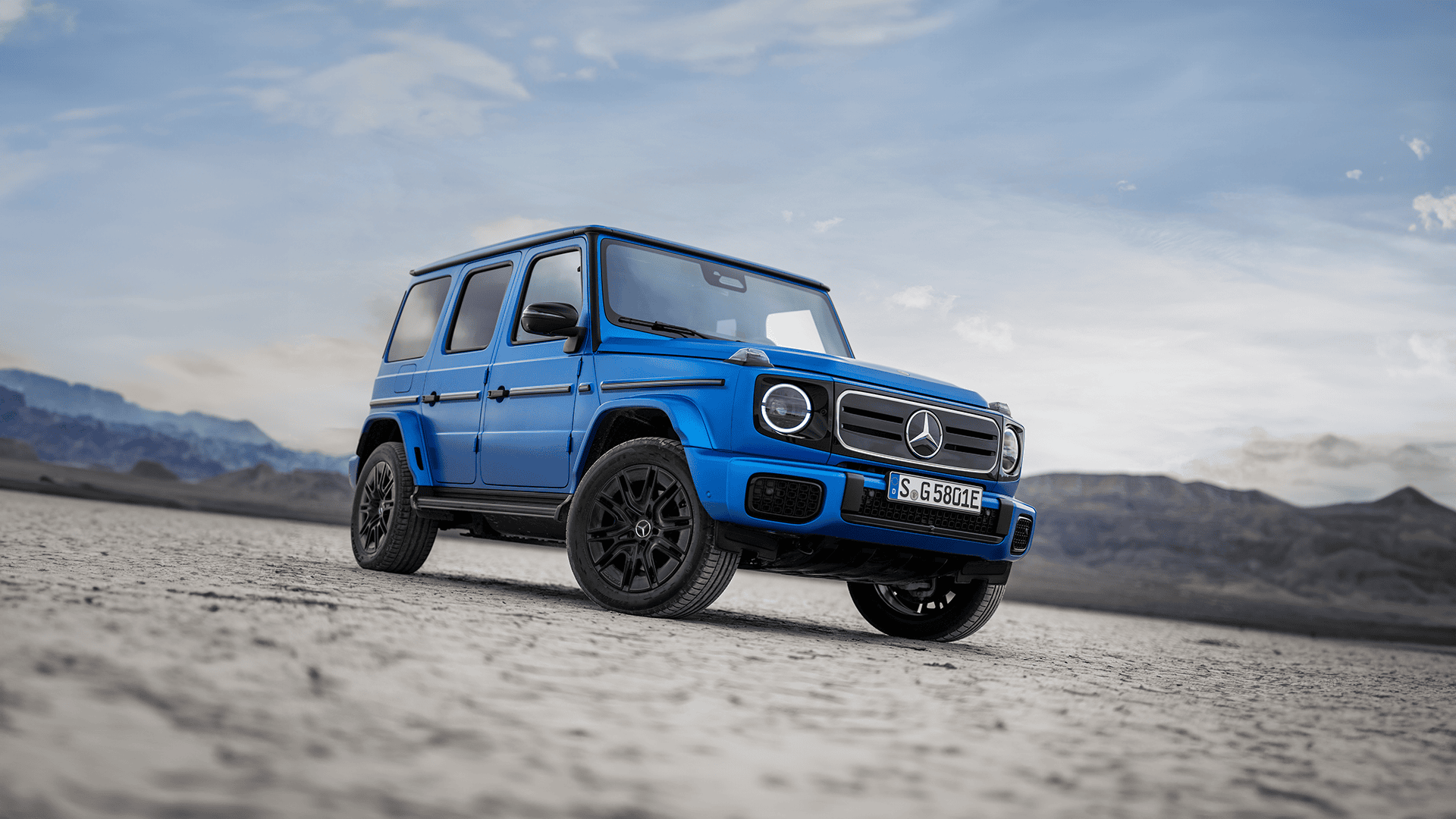
Photo Credit: Autoblog
The W465 is the newest official chassis designation for the G-Class and represents the latest chapter in the model’s development. While visually it remains very close to the W463a, it marks Mercedes’ newest formal update to the platform and includes the current combustion-powered range as well as the all-electric G580. In that sense, the W465 is less about reinvention and more about carrying the G-Class forward into the next phase of its life while preserving the visual and mechanical cues that still connect it to the earliest Geländewagen models.
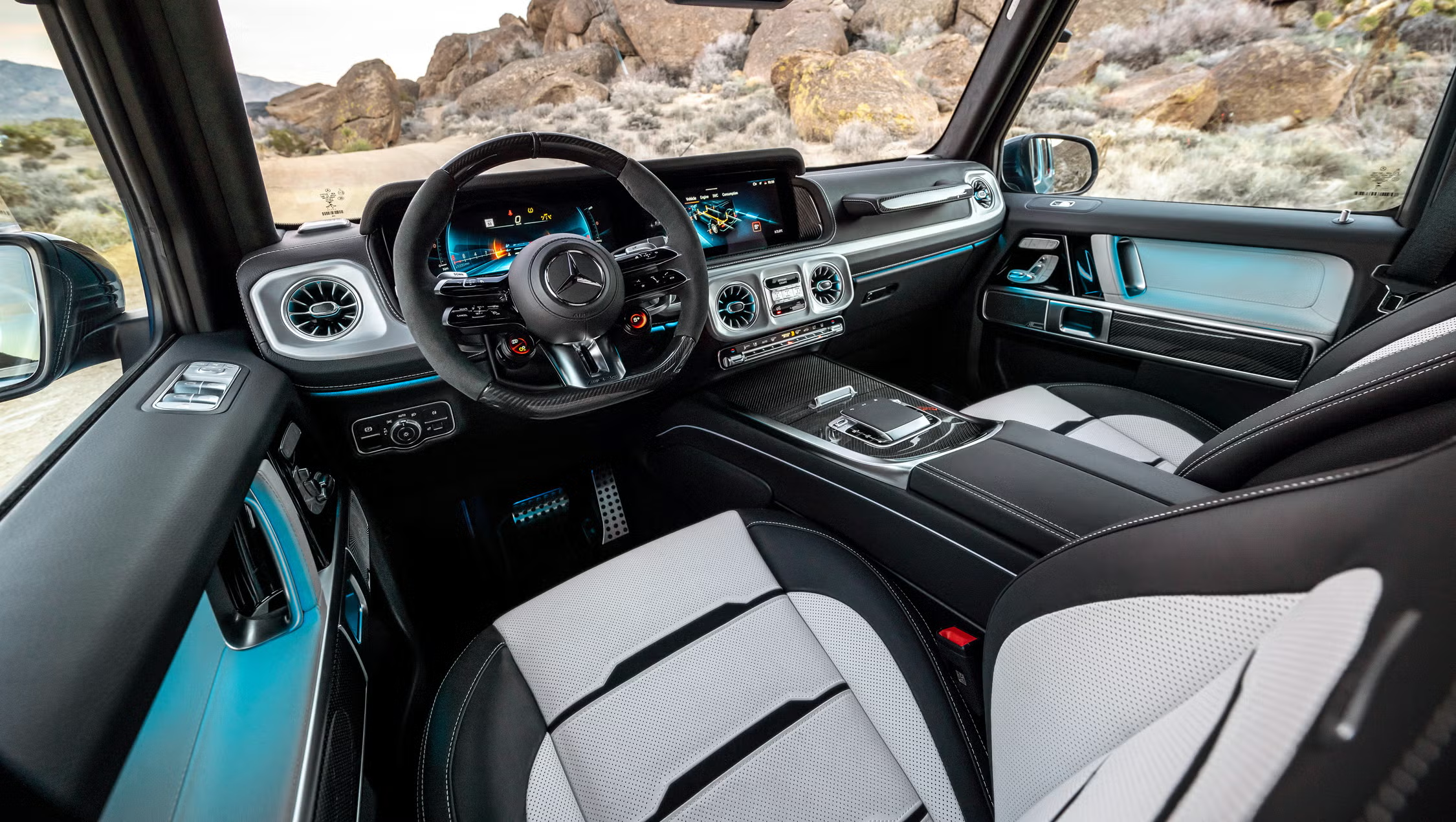
What defines the W465 is not a departure from the past, but the way it demonstrates Mercedes’ ongoing commitment to evolving the G-Class carefully. The latest trucks continue to blend luxury, technology, and capability in a way that still feels grounded in the original concept. Even as drivetrains diversify and electronics become more advanced, the truck remains recognizable as part of the same family that began with the W460.
Why the Generations Matter
What makes the G-Wagon story compelling is not simply the number of generations, but the way each one serves a distinct role without breaking from the others. The W460 established the architecture, the W461 carried it into military and service use, the W463 shifted the platform toward luxury and performance, the W463a reengineered it for the modern era, and the W465 continues that progression as the current chapter of the G-Class story. Each generation has its own logic, but none feel disconnected from the underlying design brief.
For us, that continuity is central. The trucks we restore sit early in that lineage, drawing from the purpose-built nature of the earlier generations while making selective use of later engineering ideas where they improve the ownership experience. The G-Wagon never succeeded because it changed too much, it succeeded because it changed carefully. That is what makes the differences between the generations worth studying.


You can see Expedition Motor Company reviews and see what automotive journalists have to say via our press page here: https://www.expeditionmotorcompany.com/presspage/
